Comprehensive Guide to Watersports: Delve into the Wave
Intro
Watersports have a unique charm; they tantalize the senses and beckon adventure seekers to embrace nature's aqueous playground. Whether you're a surf junkie, a captain at heart, or someone who's just dipping their toes in the water, this guide aims to enlighten and inspire you. The splashes, the waves, and the salty air create an experience that is nothing short of magical.
This guide covers the essentials of each water activity, equips you with valuable tips and techniques, and reviews gear tailored for your needs. From idyllic locations offering breathtaking views to secret spots that deserve a top place on your aquatic bucket list, we've curated a comprehensive overview that dives deep into the world of watersports.
The relevance of this topic extends beyond just enjoying leisure activities under the sun; participating in watersports fosters camaraderie, encourages physical fitness, and nurtures a profound respect for our waterscapes. So grab your shades and a bottle of sunscreen as we navigate the waves together.
Water Activity Overview
Surfing
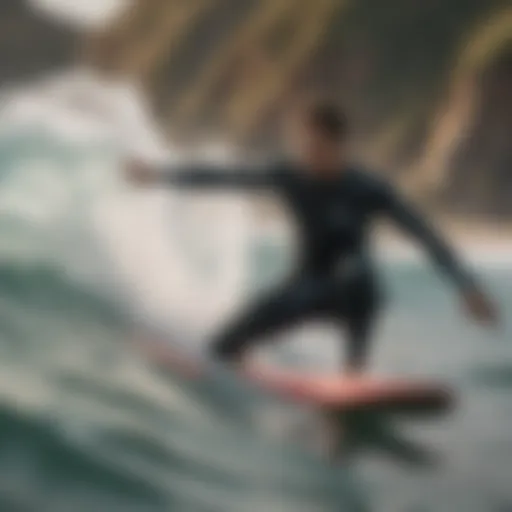
Surfing isn’t just a sport; it’s a lifestyle. Riding the waves can be both exhilarating and challenging, especially for newcomers. Beginners might feel overwhelmed by the vastness of the ocean, but starting on smaller waves can ease the transition. The thrill of catching your first wave stays etched in one’s memory; it's like the ocean grants you a moment of triumph amidst its vastness.
Sailing
Sailing introduces you to the calming force of the wind and the refreshing embrace of the sea. The complexity of sailing can be daunting, but understanding the basics of navigation and sail manipulation is essential. There's something poetic about harnessing nature’s elements; the gentle push of the wind against your sail as your boat glides through the waters tells a tale of harmony with the elements.
Snorkeling
Snorkeling allows participants to glimpse a vibrant underwater world, often overlooked by those who stay above. It’s a simple activity requiring minimal gear; trusting your mask and fins can lead you to colorful coral reefs bustling with marine life. This experience invites you to connect with nature in a way few activities can, immersing yourself in a fluid, tranquil environment.
Paddleboarding
Paddleboarding offers a unique mix of stability and perspective. Balancing on a board while navigating calm waters can sharpen one’s core and improve overall fitness. This activity is not just about exercise; it's also about soaking in the serenity of your surroundings. There’s a particular joy in paddling as the sun sets, creating a canvas of colors mirrored in the water.
Tips and Techniques
Tips for beginners
- Start with the right equipment. Choose a board or boat suited for your skill level to avoid frustration.
- Take lessons. Many local establishments provide beginner classes that can boost your confidence.
- Go with friends. Having a companion can enhance safety and create more memorable experiences.
Advanced techniques for experienced enthusiasts
- Master wave reading for more strategic surfing.
- Learn to self-rescue while sailing to ensure your safety.
- Refine your breathing techniques while snorkeling to improve comfort and duration.
Safety guidelines
- Always wear life jackets where appropriate.
- Be aware of the weather and tides before heading out.
- Pay attention to local wildlife and act responsibly; you’re a guest in their home.
Gear Reviews
Surfboards
When selecting a surfboard, consider factors like length, width, and volume. Brands like Channel Islands and Lost Surfboards offer boards catered to various skill levels, ensuring you find one that suits you.
Sailboats
For those interested in sailing, look into Catalina Yachts. They offer a great balance between performance and ease of use, perfect for both new and seasoned sailors.
Snorkeling equipment
Quality gear matters. Cressi and Scubapro produce masks and snorkels that provide comfort and visibility, enhancing the underwater experience.
Paddleboards
When it comes to paddleboards, Red Paddle Co is known for its durable inflatable options that can withstand various water conditions.
Wetsuits
Choosing the right wetsuit depends on water temperature. Brands like O'Neill and Rip Curl offer a range of suits that cater to diverse conditions, helping you maximize your time in the water.
Destination Guides
Popular water sports locations
Locations like Hawaii and Costa Rica serve as prime spots for watersports enthusiasts. Hawaii offers incredible surfing while Costa Rica is perfect for both surfing and snorkeling.
Hidden gems for water enthusiasts
Consider places like Tulum, Mexico and The Outer Banks, USA for a more tranquil experience away from crowded beaches.
Travel tips for water sports trips
- Research local regulations and conditions before you travel. This ensures a smooth experience.
- Make sure to pack all essentials, but consider renting equipment to save space in your luggage.
Being prepared can make the difference between a good trip and a fantastic one. By learning and understanding the nuances of watersports, you’ll be well on your way to crafting unforgettable memories.
"The ocean stirs the heart, inspires the imagination, and brings eternal joy to the soul." -Wyland
Explore more about watersports at Wikipedia, Britannica, or join discussions on Reddit's watersports community.
Prelims to Watersports
The realm of watersports is one that stretches far and wide, embracing a variety of activities that appeal to thrill-seekers and leisure enthusiasts alike. As we dive into this comprehensive guide, it is crucial to understand the significance of this multifaceted hobby. Watersports not only foster a deep connection with nature, but they also promote physical health, mental well-being, and valuable social interactions among participants.
From the adrenaline rush of surfing big waves to the serene experience of sailing, the benefits of engaging in watersports are abundant. Finding peace in the rhythm of the ocean, next to feeling the sun kiss your skin, are but a few aspects that enrich one’s spirit. Learning these activities can often lead to a fulfilling lifestyle, with countless opportunities for exploration. Additionally, understanding watersports can lead to enhanced safety practices, allowing enthusiasts to enjoy their chosen activity with confidence and assuredness.
Defining Watersports
Watersports encompasses a broad spectrum of activities conducted on or in water. Generally, they can be categorized into two main types: motorized and non-motorized. Motorized activities include jet skiing and wakeboarding, where powered vessels play a significant role. In contrast, non-motorized options like kayaking, snorkeling, and surfing demand a more hands-on approach, relying on human strength and skill. By defining watersports, we may better appreciate their unique nuances and the specialized techniques associated with each.
Moreover, watersports can be further classified based on seasonality and geographical elements, which in turn influence the skills required and the experiences offered. Understanding these distinctions is paramount, as they lay the foundation for selecting suitable activities based on personal interests and environments.
Historical Context of Watersports
Tracing back through time, watersports have roots that dig deep into various cultures and traditions. In ancient civilizations, people utilized water for survival, leisure, and transportation. The Egyptians, for instance, crafted papyrus boats for trade along the Nile, while early Polynesians mastered the art of canoe building to explore vast ocean distances. Over centuries, these activities evolved into what we now recognize as modern-day watersports.
Within Western contexts, the 18th and 19th centuries heralded the rise of competitive sailing and rowing as organized sports. Events like the America’s Cup emerged, showcasing both skill and technology in sailing. As technology advanced, so too did the conception of motorized watersports, with innovations that paved the way for recreational activities like water skiing and wakeboarding.
Today, watersports continue to celebrate both tradition and innovation. They serve as a platform not just for individual expression but also as a means of understanding and preserving marine environments. With climate change becoming an ever-pressing concern, the integration of sustainable practices within these sports is more important than ever. Enthusiasts have a unique opportunity to advocate for the conservation of the ecosystems they so greatly enjoy.
"Watersports are not merely activities; they embody a culture, a way of life that reflects humanity's profound bond with water."
In essence, understanding the historical context and definitions of watersports primes readers for a comprehensive dive into the cherished practices that follow. As we transition into discussing the various types of watersports, one can appreciate the evolution of these activities and their significance in today’s society.
Types of Watersports
Understanding the Types of Watersports is key for anyone looking to make a splash. This section digs into the various forms of aquatic activities, drawing attention to their unique characteristics, benefits, and requirements. Each sport not only offers distinct thrills but also challenges that can help develop a range of skills. As we explore these watersports, consider where your interests align most, which can help guide your choice and ultimately enhance your experience on the water.
Surfing
Surfing isn’t just about riding waves; it’s a culture, a lifestyle. The moment you paddle out into the ocean, you become part of something greater, a connection that many describe as transcendent. Surfing demands a blend of physical prowess and mental fortitude. Catching that perfect wave requires timing, balance, and a deep understanding of ocean dynamics.
For beginners, learning to surf means understanding how to pop up on the board and read the waves. It’s a process that tests patience and determination. Local beaches often offer surf schools, where instructors shed light on techniques and wave patterns, making it less daunting to enter the sport.
"The ocean stirs the heart, inspires the imagination, and brings eternal joy to the soul."
— Wyland
Coming equipped with a sturdy surfboard tailored to your skill level is imperative. Beginner boards are typically wider and more buoyant, aiding stability. As surfers progress, they often transition to shorter, more agile boards to enhance their performance. Regardless of your level, one thing's for sure: surfing is about the experience and the community formed along the way.
Sailing
Sailing conjures images of majestic yachts gliding across azure waters, wind filling the sails. But beyond the picturesque scenes lies a meticulous skill set, one that requires knowledge of navigation, weather patterns, and equipment handling. Sailing is both a science and an art; understanding the wind’s behavior can be exhilarating yet challenging.
The basics boil down to mastering the sails and learning how to maneuver the vessel against the wind. Many people start with small boats and gradually work their way up to larger vessels. There’s a thrill in navigating open waters, particularly during regattas, where skill and strategy culminate in competition.
Safety plays a vital role in the sailing experience. Always check the weather and understand your vessel's limits. Joining sailing clubs can provide not only essential training but also networking opportunities with seasoned sailors interested in sharing tips and tales from the sea.
Snorkeling
For those who prefer to stick closer to the surface, snorkeling opens up an underwater world teeming with life. This sport is accessible, ideal for individuals ranging from toddlers to grandparents. With just a mask, snorkel, and fins, anyone can float above vibrant coral reefs and schools of fish.
Preparation involves choosing the right gear. Fitting the mask correctly is crucial; a good seal prevents water from seeping in and allows for a comfortable experience. Many snorkel spots—like the Great Barrier Reef—offer guided tours, helping novices explore safely while learning about marine ecosystems.
Enjoying snorkeling requires being aware of your surroundings. Always keep an eye out for currents, and it’s wise to never snorkel alone. The beauty beneath the waves, from colorful parrotfish to sea turtles, is a sight that lingers in your memory long after you surface.
Stand-Up Paddleboarding
Stand-Up Paddleboarding (SUP) has taken the watersport world by storm. It's simple yet offers a full-body workout and allows for steady navigation on calmer waters. For new participants, balance can be a challenge at first, but with practice, it quickly transforms into a meditative experience.
One of the stark advantages of paddleboarding is the versatility it offers. Whether you’re leisurely paddling on a lake, participating in SUP yoga, or racing in competitions, the options are vast. It's also great for fitness, engaging core muscles and improving your overall balance.
Equipment is another important aspect of paddleboarding. A wider, flatter board provides stability, while performance-oriented boards enhance speed and maneuverability. Many enthusiasts enjoy exploring new locations, from tranquil bays to lively rivers, making paddleboarding a popular choice for adventure seekers.
Each of these watersports - surfing, sailing, snorkeling, and stand-up paddleboarding - presents unique challenges and rewards. As the tide ebbs and flows, it’s important to find the sport that resonates with you, ensuring countless memorable experiences on the water.
Essential Gear for Watersports
Engaging in watersports is as thrilling as it is demanding. The right gear can make a world of difference between an exhilarating adventure and a regrettable experience. Equip yourself with the essentials not only for performance but for safety and comfort. Each activity in the watersport realm has unique equipment that plays a crucial role in skill execution, safety, and enjoyment. Understanding this importance can elevate your performance and keep you out of harm’s way.
Surfboards and Accessories
When it comes to surfing, your board is your lifeline. A surfboard isn’t merely a piece of equipment; it is an extension of yourself in the water. Choosing the right board depends on various factors such as your skill level, the wave conditions, and personal style. Here are a few important points to consider:
- Board Type: Longboards, shortboards, and fish boards serve different purposes and riding styles. Longboards are ideal for beginners as they have more stability, whereas shortboards require more advanced skills but offer better maneuverability.
- Leashes and Wax: A leash keeps your board connected to you, which is vital for safety. Without it, your board can drift away after a wipeout. Surf wax, on the other hand, ensures you don't slip off your board while riding.
- Fins: They affect speed and control. Different fin setups, like thrusters or quads, can change the way your board handles more than you might expect.
Sailing Equipment
Sailing is as much about the right equipment as it is about technique. The wrong gear can make for an abysmal day on the water. Here are essential items that every sailor should consider:
- Sails: From mainsails to headsails, the right sail is key for maneuvering. Each sail type has its time and place, depending on weather conditions.
- Rigging Gear: This includes lines, blocks, and shackles that keep the sails functioning efficiently. Proper rigging can greatly affect how well the boat sails.
- Navigation Tools: Whether it’s a compass or a GPS, navigation is critical. A reliable GPS device can prevent you from getting lost, while a compass keeps your bearings in open waters.
Snorkeling Gear
Snorkeling is often an entry point into the underwater world. Understanding the gear required can significantly enhance the experience. Key components include:
- Mask and Snorkel: The mask creates an airtight seal against your face, allowing clear vision underwater. A quality snorkel allows you to breathe comfortably while keeping your head submerged.
- Fins: They reduce fatigue and increase propulsion underwater. The correct fin size and type can enhance your mobility through various aquatic environments.
- Wet Suit: While some may consider it optional, a wet suit provides thermal protection as well as a bit of buoyancy. It's especially useful in cooler waters.
Paddleboards and Paddles
In the realm of stand-up paddleboarding, knowing what gear to choose is paramount for an enjoyable experience. Here’s what to keep in mind:
- Board Type: Soft-top boards are great for beginners thanks to their stability, while hard boards offer speed and performance for experienced paddlers. Make sure to choose what matches your skill level and goals.
- Paddles: Look for adjustable paddles that suit your height. The right paddle makes long-distance paddling less tiresome and enhances your overall experience.
- Leash: Just like surfing, a leash is crucial to keep your board close after a fall. It can also prevent accidents involving others on the water.
In essence, gear is paramount in watersports. Choosing the right equipment not only boosts performance but plays a critical role in your safety and enjoyment. Selecting thoughtfully will serve you well on your aquatic escapades.
Safety Measures in Watersports
Safety measures in watersports are not just recommended; they are essential. Engaging in any aquatic activity brings inherent risks, from unpredictable weather to hidden underwater hazards. By prioritizing safety, enthusiasts can significantly reduce the likelihood of accidents and ensure an enjoyable experience in the water. Safety becomes a cornerstone that not only protects oneself but also enhances the overall enjoyment and peace of mind while partaking in these exhilarating activities.
Understanding Water Conditions
Understanding the water conditions is akin to reading the weather before a storm. Various factors such as tides, currents, visibility, and wind can greatly affect the safety and enjoyment of any watersport. For instance, beginners should always familiarize themselves with the local tide charts and current patterns, as they can shift dramatically. Not every beach or waterway is optimal for all skill levels. Beginners may find themselves overwhelmed by strong winds or swift currents. It’s also wise to learn the terminology associated with water conditions—knowing what a rip current looks like can save lives.
"The sea is merciless, but understanding it can be a life saver."
Similarly, weather conditions play a significant role in water safety. Checking the forecast before heading out to sea is vital. Sudden changes can lead to dangerous situations, particularly if one is out exploring beyond the shoreline. The knowledge of local marine life, such as jellyfish or stingrays, can also aid in minimizing unfortunate encounters.
Personal Safety Equipment
When it comes to personal safety, having the right equipment is your first line of defense. Depending on the specific watersport, this equipment can vary widely. Here’s a quick rundown:
- Buoyancy Aids: Life jackets or personal flotation devices (PFDs) are a must, especially for those not yet confident in their swimming abilities.
- Wetsuits or Drysuits: Not only do these keep you warm, but they also provide some protection from sharp corals or rocks.
- Footwear: Water shoes or sandals can shield against sharp objects, especially in rocky or reef areas.
- Sunscreen and UV Protection: Although a bit less tangible, protecting your skin from harmful sun exposure is critical. A good waterproof sunscreen can prevent sunburn, allowing for longer, safer days in the water.
It's worth noting that personal safety gear should fit well and be properly maintained. A life jacket that doesn’t fit right won’t keep you afloat, and torn wetsuits won’t provide adequate thermal protection.
First Aid and Emergency Protocols
While safety measures minimize risks, accidents and emergencies can still happen. Understanding first aid and having a sound emergency protocol in place is indispensable for all watersports enthusiasts. Basic training in first aid should be on every water adventurer's agenda.
- Assess the Situation: Quickly determine the scope of what happened without putting yourself in danger.
- Provide Care: Administer first aid as needed, whether it’s something minor like a cut or more serious like a sprain.
- Seek Help: If injuries are severe or conditions deteriorate, contacting local emergency services is critical. Every watersport location should have a plan for emergency communication, such as knowing the coordinates of the nearest phone or emergency point.
- Carry a First Aid Kit: Equip your gear with a simple first aid kit that addresses common water-related injuries, including band-aids, antiseptic wipes, and, for the more adventurous, insect repellent.
In sum, making safety a priority in watersports is about being proactive. Embracing knowledge concerning the environment, ensuring personal protection with the right gear, and preparing for emergencies creates a safer, more enriching experience on the water.
Techniques and Skills Development
In the ever-evolving world of watersports, mastering various techniques and developing essential skills plays a crucial role in enhancing not only enjoyment but also safety. Whether it’s surfing the waves, sailing through the open sea, or exploring vivid underwater landscapes, having a strong skill set makes every outing more rewarding. As the old saying goes, "practice makes perfect," and this couldn’t be truer when it comes to the techniques involved in various forms of watersports.
Fundamentals of Surfing
Diving into surfing requires understanding the basics before riding the waves effectively. Key elements include positioning on the board, paddling techniques, and the timing of getting up to your feet. The first fundamental is learning how to balance, knowing the positioning of your center of gravity is a game changer. From your toes up to your shoulders, slight adjustments can make all the difference as you ride a wave.
- Paddling: Start off by lying flat on your stomach, using your arms to paddle while keeping your head up. This increases your visibility and improves the power behind each stroke.
- Pop-Up Technique: Once you’ve caught a wave, the next step is to pop up. Practice makes this more fluid. It should feel less like a scramble and more like an explosive movement, with your feet positioned shoulder-width apart for balance.
- Trimming the Board: Once you are up on the wave, make small adjustments with your feet to maintain speed and avoid nose-diving or falling off the side.
Breaking down these fundamentals into small parts can help aspiring surfers grasp each segment before combining them on the waves.
Navigating the Seas: Sailing Techniques
Transitioning from the shore to the open water can feel overwhelming, but sailing offers a unique way to interact with nature. Understanding how to manipulate wind direction, navigate currents, and handle your sails is paramount for a successful adventure. Among essential skills are:
- Tacking and Gybing: These maneuvers allow a sailor to change direction effectively. Tacking involves turning the bow of the boat into the wind, while gybing is turning the stern through the wind. Practicing these techniques can enable smoother sailing.
- Understanding Wind Shifts: Recognizing changes in wind patterns and adjusting your sails accordingly can drastically improve efficiency. Keep a keen eye and adapt your strategy.
- Reading Water: The surface of the water can reveal much about the conditions below. Watch for ripples and changes in color; these can indicate currents, shallows, or obstacles.
These techniques combine to enhance both speed and safety on your sailing journey.
Mastering Snorkeling Techniques
Snorkeling opens up a vibrant underwater world, yet it is critical to develop certain techniques for a safe and enjoyable experience. Key skills include:
- Breathing Control: A steady, relaxed breathing pattern is fundamental. Inhale through your mouth and exhale through your snorkel to maintain buoyancy. Practicing this skill will aid in prolonged underwater exploration without fatigue.
- Equalizing Pressure: As you descend, the increase in pressure can impact your ears. Regularly equalizing by pinching your nose and gently blowing helps mitigate discomfort.
- Fin Use: Master the art of using fins effectively. They should help propel you forward without creating excessive splashing, which can scare away marine life.
By honing these techniques, you not only increase your ability to explore marine environments but also ensure your safety.
Paddleboarding Techniques for Balance
Stand-Up Paddleboarding, or SUP, is not just a fun way to be on the water; it’s also a great workout. Developing balance and paddling techniques is essential for smooth navigation:
- Stance: Stand with your feet shoulder-width apart, knees slightly bent, and weight centered over the board. This position provides stability.
- Paddling Technique: Use a long, sweeping stroke that starts at your toes and ends at your hips. This maximizes your reach and lets you glide through the water.
- Core Engagement: Engaging your core helps maintain balance and control, especially in choppy conditions. Practicing yoga on the paddleboard can help strengthen your core stability over time.
By consistently applying these techniques, one can truly enjoy the serenity that paddleboarding offers while also perfecting their skills.
Choosing the Right Location for Watersports
Selecting the right location for watersports is not just a trivial detail; it’s a fundamental factor that can either enhance your experience or dampen it altogether. Each sporting activity has its unique needs and preferences when it comes to the environment. Factors such as weather conditions, water types, and accessibility play key roles in your decision-making. Plucking a watersport site that doesn’t match well can be akin to setting sail without wind—hardly effective.
Establishing a connection between the sport and the location provides a canvas for the anticipated adventure. This chapter dives deep into how to pinpoint optimal locales that not only meet personal preferences but also promise security, excitement, and memorable experiences.
Beach Selection for Surfing
When it comes to surfing, not all beaches are created equal. For surfers, the ideal beach is like a treasure trove—full of the right swell, tides, and consistent waves. Your selection will likely revolve around several elements:
- Wave Consistency: Look for places known for their reliable surf conditions, like Huntington Beach in California or the Gold Coast in Australia. These areas have waves that suit surfers of all levels, from beginners messing about to experts carving up formidable walls.
- Type of Break: Different beaches feature different types of breaks—reef, point, or beach breaks. For instance, beaches with point breaks, such as Malibu, tend to offer long, peeling waves perfect for carving.
- Crowd Levels: Some beaches get crowded, especially during peak season. If your ideal day involves not feeling like a sardine, research when to hit the waves or seek less-known gems like Playa La Tercerola in Nicaragua.
Ultimately, picking the right beach can make a world of difference, turning a decent session into an extraordinary one.
Best Sailing Destinations
Navigating the seas is about more than simply owning a boat. It's about finding those picturesque, awe-inspiring destinations that make every moment feel like a scene from a blockbuster movie. For sailors, the world is full of gems that offer everything from tranquil waters to challenging winds. Here are some must-visit spots:
- The British Virgin Islands: This tropical archipelago is often hailed as a sailor's paradise. With clear, turquoise waters and numerous islands to explore, it provides countless serene anchorages and bustling ports alike.
- San Francisco Bay: A perfect choice for those who enjoy a little mixed bag. It offers a mix of calm and thrilling sailing experiences, with stunning views of the Golden Gate Bridge, while also providing the capability for race training.
- Greece's Cyclades: Known for picturesque architecture and stunning landscapes, the Cyclades Islands allow for island hopping, with vibrant culture and azure waters.

Selecting a sailing destination requires weighing aspects like climate, local regulations, and personal preferences to ensure an unforgettable maritime experience.
Top Snorkeling Spots Worldwide
Snorkeling allows enthusiasts to immerse themselves in vibrant aquatic life, but the choice of location can significantly alter your experience underwater. The world is sprinkled with extraordinary spots known for their crystal-clear visibility and diverse marine ecosystems. Here's where to go:
- Great Barrier Reef, Australia: This isn’t just the biggest coral reef system in the world; it's also teeming with life, making it a haven for snorkeling aficionados.
- Molokini Crater, Hawaii: A partially submerged volcanic caldera, this spot provides a unique experience, housing rare marine life and splendid coral formations.
- Raja Ampat, Indonesia: Less explored yet bursting with biodiversity, Raja Ampat features diverse coral reefs and limited human interference, letting nature shine.
Choosing the right snorkeling destination can expose you to unique ecosystems, making your underwater experience a stepping stone in understanding marine conservation.
Paddleboarding Locations to Explore
Stand-up paddleboarding is uniquely versatile, offering both tranquil flat-water experiences and thrilling adventures on waves. The charm lies in its adaptability to various locations—oceans, lakes, or rivers. Here are a few top choices:
- Lake Tahoe, USA: This lake is famous for its stunning clarity. Paddleboarding here allows you to glide over breathtaking views of mountains and forests.
- The Maldives: As a tropical paradise, this destination offers clear waters where paddleboarders can glide above reefs and gaze down at abundant marine life.
- Sunset Beach, Hawaii: Known for its waves, this location is great for advanced paddleboarders looking for a challenge, as well as providing idyllic views during sunset.
With paddleboarding being adaptable, the thrill ultimately lies in where you choose to embark on your voyage.
In summary, choosing the right location for various watersports is essential. It can significantly enrich your experience and provide safety, excitement, and unique opportunities to connect with nature and community. This chapter serves not just as a guide but as an invitation to explore the waters that call to you.
Maintaining Watersports Equipment
Keeping your watersports gear in peak condition is not just about extending its life; it's about ensuring safety, performance, and enjoyment out on the water. Whether you're gliding atop waves or diving into the depths, the state of your equipment impacts every aspect of your experience. Regular maintenance, therefore, becomes an essential practice that every water enthusiast should embrace.
Routine Care for Surfboards
Taking care of your surfboard is crucial for not just its longevity but also for its performance. Routine checks should include inspecting for dings, scratches, or water penetration. If you find any damage, addressing it promptly can prevent bigger issues down the line.
- Wipe Down After Use: Always rinse your board with fresh water after each use. Saltwater can corrode materials over time.
- Dry Properly: Store your surfboard in a shaded area, not leaving it exposed to the sun for prolonged periods. UV rays can weaken the board's structure.
- Regular Waxing: Keep the bottom of your board slick by applying a fresh coat of wax regularly. This improves your grip and helps you carve through the waves.
Sailing Gear Maintenance Techniques
Sailing gear, which includes everything from sails to ropes, requires special care to function optimally and safely. Failing to maintain your sailing gear can lead to inconvenient breakdowns on the water.
- Inspect Sails: Regularly check for tears or weak points in the fabric. Learning to sew or patch these areas can save you from a costly replacement.
- Clean Lines and Ropes: Dirt and salt can degrade your ropes. Wash them in fresh water and hang to dry.
- Lubricate Moving Parts: Any moving element—like rigging—needs proper lubrication to function smoothly. A drop of marine grease can go a long way here.
Caring for Snorkeling Gear
Understanding how to care for your snorkeling gear is vital for a safe and enjoyable underwater exploration. Masks, snorkels, and fins require specific attention.
- Rinse After Each Use: Just like with surfboards, rinsing your fins and mask with fresh water helps eliminate salt and sand that could cause damage.
- Store in a Cool, Dry Place: Avoid leaving your gear in direct sunlight or humid areas. A breathable dive bag can keep your equipment protected.
- Replace Worn Out Parts: Check your snorkel for cracks or any wear and tear, especially on the mouthpiece. Replace it if needed to maintain a solid seal and good usability.
Paddleboard Upkeep and Storage
Paddleboards offer a different set of maintenance challenges, but taking proper care ensures you can keep paddling in comfort for years.
- Keep It Clean: Similar to surfboards, always rinse off sand and salt after every outing.
- Inflatable Board Considerations: If you have an inflatable paddleboard, be wary of excessive heat, as it can expand air inside and lead to ruptures.
- Proper Storage: When not in use, store your paddleboard indoors, away from direct sunlight and extreme temperatures. Consider using a board bag for added protection.
Taking care of your equipment is a hate-it-or-love-it task. Yet, what's more rewarding than a reliable surfboard, a well-tuned sail, or a comfy snorkeling setup when you hit the water?
By putting in a little time and effort into the maintenance of your watersport gear, you can enjoy a more seamless experience. Fostering a routine not only improves performance but also cultivates a deeper connection to your favorite activities. For more tips on equipment care, visit Wikipedia, Britannica, or check out community discussions on Reddit.
Community and Culture of Watersports
The culture surrounding watersports is as rich and diverse as the activities themselves. From local surf communities nurturing aspiring riders to international sailing clubs promoting friendly competition, these groups provide a sense of belonging and purpose. Engaging in watersports fosters connections between individuals who share a passion for the water, creating a network that can stretch across the globe.
Community isn't just about having fun on the waves; it's about growing together, learning from one another, and supporting fellow enthusiasts through their journey. By participating in local or online communities, enthusiasts can acquire tips, share experiences, and find motivation to push their skills to new heights.
Building Connections Among Enthusiasts
Creating friendships in the watersport community can be as exhilarating as riding a big wave. A simple smile or nod from a fellow surfer can spark a deeper conversation about techniques, favorite spots, or gear recommendations. Enthusiasts often form informal gathering spots – the local beach bar, a park by the water, or even beach bonfires – where discussions share in the excitement of their latest rides or accomplishments.
Moreover, joining clubs or attending workshops can significantly enhance these bonds. For instance, sailing clubs often offer more than just a chance to sail; they provide a forum for members to learn from seasoned sailors while sharing their own knowledge with newcomers. Everybody with a passion for watersports should consider stepping out of their comfort zone to engage with fellow enthusiasts as, sometimes, connections formed in these communities can last a lifetime.
Events and Competitions in the Watersport World
Competitions in the watersport realm serve not only as a platform for showcasing skills but also as a rallying point for the community. Events, like the Red Bull Cliff Diving World Series or local surf competitions, draw in participants and spectators alike, creating an electrifying atmosphere.
These competitions often foster camaraderie as friends and family gather to cheer for competitors. It’s also a chance for newcomers to witness the sheer talent within the community, inspiring them to pursue their own goals. Various events can cater to different skill levels, ensuring everyone from the budding sailor to the expert surfer has a place to shine. Here are some notable events:
- Local Beach Clean-up Competitions – These unite watersport lovers in a call to action for environmental change.
- Festival of Watersports – This can feature demos, workshops, and friendly contests, all to celebrate the aquatic lifestyle.
- Charity Regattas – Combining a love for competition and philanthropy, these events highlight the community's commitment to support causes close to their heart.
The Role of Social Media in Watersports
In today’s world, social media plays an integral role in shaping the culture of watersports. Platforms like Instagram and Facebook allow enthusiasts to document their adventures, share insights, and create a vibrant digital community. This online presence often converts into real-life connections, as individuals reach out to meet fellow enthusiasts from across the globe.
Moreover, social media serves as a valuable resource for staying updated on trends, gear reviews, and events in the watersport world. Enthusiasts can follow brands and influencers to gain access to tips on improving skills or recommendations for the best gear. It can also highlight voices from diverse backgrounds, providing an inclusive space for everyone involved.
"In the surf community, it's often said that the ocean is the ultimate equalizer; social media can amplify this by fostering connections, regardless of geographical barriers."
Additionally, online forums and groups dedicated to specific watersports can create supportive environments where novices feel as encouraged as seasoned pros. Engaging in these platforms helps to break down barriers, encouraging more participation in various watersports.
Epilogue
Reflecting on your journey through the vibrant world of watersports is not just about the moments spent on the water, but also about understanding how these experiences shape your mindset and skills. You dive into each wave with enthusiasm, but realize it’s about more than the thrill – it's a deeper connection with nature and self.
As you explore various activities and improve in your chosen watersport, you create a tapestry of experiences and lessons learned. This quest brings growth, both personal and athletic, helping you to appreciate the beautiful intricacies of the water. Some may find their peace when they paddle out at dawn, while others might relish the pulse of a competitive race. Here, the water becomes a stage, showcasing your commitment, resilience, and the joy of discovery.
"In every wave lies a story waiting to be told."
Reflecting on your watersports journey also emphasizes the importance of community. By sharing experiences with fellow enthusiasts, from those who cheer you on to those who challenge you, you develop connections that extend beyond just the surface. The friendships built over shared laughs and wipeouts add richness to the experience, painting a fuller picture of enjoyment.
In the end, each adventure, each fall, and each triumph on the water holds value, driving you to come back for more. You learn about respecting nature, sharpening your abilities, and most importantly, finding joy in every splash. Every moment spent in the waves brings clarity and peace, revealing that watersports are as much about the journey as they are about the destination.