Exploring the Diverse World of Water Sports


Intro
Water sports encompass a myriad of activities, bringing together enthusiasts with a shared love for the aquatic realm. Whether gliding seamlessly atop waves or exploring the vibrant underwater world, these sports present not just a thrilling experience, but also a profound connection to nature. From the historic shores of Hawaii, where surfing thrived, to serene lakes ideal for paddleboarding, water sports speak volumes of tradition, adventure, and exploration.
This guide aims to transport you through the fascinating landscape of water sports. We will break down four key activities: surfing, sailing, snorkeling, and paddleboarding. Each sport is steeped in history and culture, revealing not just the techniques involved but also the unique gear that enhances the experience. Additionally, we will touch upon essential safety protocols to ensure that your aquatic adventures are as enjoyable as they are safe.
Whether you are a seasoned pro or just dipping your toes into this expansive world, this narrative will provide insights and practical tips to enrich your outings and foster a deeper appreciation for these incredible water-based activities.
Preface to Water Sports
Water sports, a dynamic blend of leisure and adrenaline, are integral to countless cultures across the globe. They encapsulate a diverse range of activities, serving not only as forms of recreation but also as avenues for exploration and competition. This section lays the foundation of our exploration by shedding light on why water sports matter, especially in today’s interconnected world.
The importance of water sports resides in their multifaceted benefits. First and foremost, they promote physical fitness. Engaging in activities like swimming, surfing, or paddleboarding engages numerous muscle groups, enhancing cardiovascular health, strength, and flexibility. The cool water acts as a natural motivator, often making strenuous workouts feel like a playful escape rather than a mundane chore.
Furthermore, these sports foster a unique connection between individuals and their surrounding environments. Imagine venturing into the vast ocean to catch the perfect wave or gliding across the serene surface of a lake at sunrise. Such experiences can lead to long-lasting appreciation and respect for aquatic ecosystems, encouraging environmental stewardship among water sports enthusiasts.
Additionally, water sports are a great way to build community and camaraderie. Joining a local sailing club or engaging in group kayaking fosters social ties, connecting individuals who share a common passion. Whether it's participating in competitions or enjoying leisurely outings, these sports can turn strangers into friends, binding communities together.
- Health Benefits:
- Environmental Awareness:
- Social Connections:
- Improves cardiovascular strength
- Boosts endurance and muscle tone
- Encourages healthy outdoor living
- Promotes understanding of aquatic ecosystems
- Inspires conservation efforts
- Builds friendships through shared experiences
- Creates lasting memories from group activities
"Water sports are not just activities; they are a way of experiencing life, community, and nature in their most exhilarating forms."
Through the lens of this article, we aim to equip readers with the knowledge needed to step confidently into this vibrant world.
The Historical Context of Water Sports
Understanding the historical context of water sports provides valuable perspective on how these activities have evolved and their significance today. Water sports serve not just as a means of recreation, but also reflect the cultures and traditions of societies through the ages. From ancient civilizations to modern times, the motivations and methods of engaging with water reveal a tapestry of human innovation and adaptation.
Diving into the roots can offer insights into why certain sports gained popularity or fell to the wayside. Moreover, comprehending this history informs enthusiasts about techniques, philosophies, and ethical considerations that continue to influence practices today. Knowing the past allows participants to appreciate the growth and change in rules and methodologies over time, enriching their overall experience.
Ancient Origins
The history of water sports stretches back to prehistoric times. Primitive humans utilized rivers and seas for sustenance, but it wasn't long before they discovered the joy of gliding over water. Evidence shows that ancient Egyptians engaged in rowing on the Nile for both commerce and leisure. The use of reed boats in Mesopotamia demonstrates a remarkable ingenuity in navigation as early as 4000 BCE.
Paddling has its own ancient roots, as folks in Polynesia navigated expansive oceans using outrigger canoes. They didn't just traverse the waves; they mastered wind patterns, star navigation, and ocean currents, laying foundations for modern sailing techniques. For example, the Polynesians' intricate knowledge of the seas remains echoed today in the skills of boaters and sailors.
"Water didn’t just provide life; it became the stage for human expression and cultural rituals, from festivals to competitions."
Additionally, historical texts hint at early forms of swimming, with records from ancient Greece emphasizing rigorous training in swimming schools. The Olympics, even in those times, showcased not only athletic prowess but also the celebration of water. This need for mastery and competition eventually transformed swimming into a universally loved recreational sport.
Evolution through the Ages
As civilizations progressed, so did the ways people engaged with water. The Middle Ages saw a dip in leisure water sports in Europe, overshadowed by societal shifts and a focus on land-based activities. However, with the advent of the Renaissance in the 15th century, a revival unfolded. The nautical advancements of this period paved the way for modern sailing and boating.
Across the pond, in the Americas, Indigenous tribes developed their unique water practices, including canoeing and fishing, often manifesting in storytelling and oral traditions passed down generations. These practices showcase how water sports were deeply intertwined with cultural identity and heritage.
The 19th century marked a significant turn for water sports. The advent of steam-powered boats revolutionized travel and leisure. Water skiing began to inch into popularity, and surfing made its way to the West. As the 20th century rolled in, innovations in materials and designs spurred the growth of various sports, catering not just to elite athletes but to everyday enthusiasts as well.
In recent years, technological advancements have further reshaped water sports. The introduction of inflatable paddleboards, improved wetsuits, and even electric surfboards broadened the accessibility and variety available to participants. Today, in an age where environmental consciousness is paramount, many water sports communities are dedicated to promoting sustainability and preserving marine environments, striving to merge historical appreciation with a forward-thinking approach to water sports.
This historical context encapsulates the journey of water sports, weaving together innovation, cultural significance, and the ever-evolving relationship between humans and water.
Categories of Water Sports
Water sports encompass a wide variety of activities that engage enthusiasts of all skill levels. From calming paddling in serene lakes to the exhilarating rush of surfing, the Categories of Water Sports serve as a framework for understanding the diverse landscape of water-based activities. By categorizing these sports, we can easily access tailored information about gear, techniques, and locations that suit our interests. Each category has its unique charm and characteristics, inviting participants to explore their horizons while enjoying the thrilling nature of water.
Surface Sports
Surface sports take place atop the water's surface, showcasing agility, balance, and a connection to the elements. Activities like surfing, stand-up paddleboarding, and kiteboarding draw in a myriad of enthusiasts, largely due to their accessible nature and stimulating practices.
Surfing
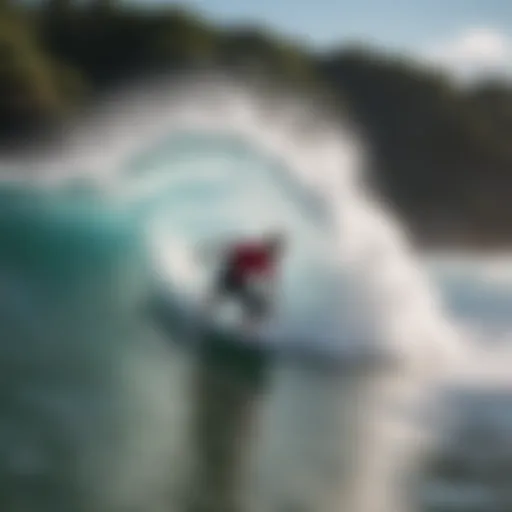
Surfing is more than just riding waves; it's a cultural movement that transcends geography. This sport hinges on the artistry of balance and timing. Riders need to sync their movements with the ever-changing rhythm of the ocean. This makes surfing not only a physical endeavor but also a spiritual connection to nature. The thrill of catching a wave provides a sense of freedom, making it a cherished choice in the realm of water sports.
One defining characteristic of surfing is the variety of board types. Options range from shortboards to longboards, giving surfers the flexibility to adapt to different conditions. Surfing can be both exhilarating and daunting, with potential pitfalls like wipeouts or unfamiliar waters. Nevertheless, the rewards outweigh the risks for many, as mastering the art of surfing can lead to unforgettable experiences.
Stand-Up Paddleboarding
Stand-up paddleboarding, often abbreviated as SUP, combines elements of surfing and kayaking. It's a versatile sport loved for its simplicity and tranquil nature. Paddlers navigate calm waters while standing on a board, providing a fantastic way to explore coastlines and lakes. SUP works wonders for core strength and balance, as well as mental well-being due to its meditative quality.
Its notable feature is that it requires minimal equipment—a board and a paddle are enough to get started. Because of this ease of use, it’s emerging as a top choice for beginners. However, some may find that strong winds and rough waters can complicate of paddleboarding, requiring a little more practice to truly enjoy it.
Kiteboarding
Kiteboarding is the crown jewel for thrill-seekers who crave speed and excitement on the water. Harnessing the power of the wind, participants glide across the surface while being pulled by a large kite. The sport is marked by the freedom to maneuver and perform tricks, which can be incredibly exhilarating. Kiteboarding acts as a bridge between surfing and paragliding, allowing for dynamic aerial moves that attract spectators.
The key advantage of kiteboarding lies in its inclusiveness—from flat waters to wave-ridden coasts, it adapts well to various environments. However, mastering the harness and kite control requires dedication. Windsurfing-related injuries are often an aspect to consider, as safety and adherence to conditions play a critical role in the enjoyment of this sport.


Subsurface Adventures
Diving beneath the surface opens the door to a secretive world where vibrant marine life thrives. Subsurface adventures such as scuba diving, snorkeling, and free diving invite participants to explore depths that most will never see.
Scuba Diving
Scuba diving offers a unique perspective of the underwater world and combines exploration with a sense of adventure. Using specialized equipment, divers can venture deep into the ocean, observing vibrant coral reefs and astonishing marine creatures up close. The thrill of decompression and the tranquility beneath the waves speak to those seeking both excitement and solace.
The defining characteristic of scuba diving is its reliance on gear, including tanks and regulators, which can initially feel bulky. However, the reward of breathing underwater and seeing breathtaking sights makes it all worthwhile. It is essential, though, for divers to stay certified and understand safety protocols, as mishaps can occur when venturing into the depths.
Snorkeling
Snorkeling presents a more accessible way to experience underwater exploration without hefty equipment. With just a mask, snorkel, and fins, participants can float above reefs and marvel at what lies beneath. Its simplicity and ease of entry make snorkeling a popular choice among diverse age groups.
This sport, however, comes with its own considerations. Strong waves can hinder visibility and create challenges for novice snorkelers. Nevertheless, the joys of observing fish and coral formations just a breath away make it a wonderful initiation into watersports.
Free Diving
Free diving is as much about mental strength as it is about physical capability. Unlike scuba diving, this sport relies solely on breath-hold diving and requires a balance of relaxation and concentration. Divers plunge without tanks, embracing the silence and stillness of the ocean depths. This creates a truly immersive experience where one can connect with the underwater environment on a deeper level.
While free diving offers unique beauty, it demands skill and preparation. Risks such as blackouts can arise without adequate training, which is critical for a safely enjoyable experience. Proper techniques help to unlock this underwater gem responsibly.
Sailing and Boating
Sailing and boating encompass diverse activities, each proving to be conducive for leisurely enjoyment or competitive thrill. From yachting to kayaking, the graceful movement through water creates a bond with nature that is simply incomparable.
Yachting
Yachting is synonymous with sophistication and adventure. Luxury yachts offer stunning experiences, whether it’s a pleasure cruise or a competitive race. Known for its elegance, yachting also allows participants to explore the coastline and reach distant islands with ease. Navigating a yacht is both an art and a science, requiring knowledge of wind and tides.
An appealing aspect of this sport is its social environment, providing an opportunity for friends and family to bond over shared exploration. However, yachting may require significant investment and meticulous maintenance, which some might find discouraging.
Kayaking
Kayaking is characterized by its versatility, allowing individuals to navigate various water types, from placid lakes to raging rivers. Its adaptability makes it approachable for all skill levels, and paddlers can choose between solo and tandem kayaks. This sport promotes physical fitness, providing an excellent workout while immersing participants in nature.
Still, kayaking does come with considerations; paddlers must be aware of weather conditions and water currents that can change quickly, especially for beginners. Mastering paddling techniques will greatly enhance the enjoyment of this sport.
Canoeing
Canoeing is similar to kayaking but offers a more communal experience. Participants sit in an open canoe while paddling with single-bladed paddles, allowing for easy conversation and camaraderie. It is perfect for those looking to enjoy leisurely outings on tranquil waters.
The unique feature of canoeing is how it fosters community among participants. However, it may require more effort when maneuvering through wind and waves, which can be less stable than its kayaking counterpart. Understanding the nuances of this sport can enhance the experience as one learns the harmony of paddling together.
Overall, categories of water sports encompass a rich tapestry of activities that appeal to diverse audiences. They invite not just participation but foster a connection to the natural environment while enhancing physical health and social bonds. By understanding these categories, enthusiasts can tailor their experiences and dive deeper into the world of water sports.
Essential Gear for Water Sports
When it comes to engaging in water sports, having the right gear is not just a nice-to-have, but a must-have. Inadequate equipment can turn a thrilling adventure into a frustrating experience, or worse, pose safety risks. Therefore, understanding how to choose the right equipment, ensuring safety protocols, and maintaining your gear are crucial aspects that contribute to a positive and enjoyable encounter with the aquatic world.
Choosing the Right Equipment
Selecting the proper equipment for your chosen water sport can be a daunting task, especially with the myriad of options available. Take, for instance, surfing. A beginner might be swayed to pick a flashy shortboard because of its sleek appearance, but this choice might lead to difficulties in balance and control. In contrast, a longboard offers stability, making it well-suited for newcomers.
Moreover, if you lean towards kayaking, considering your skill level is indispensable. Recreational kayaks are designed for calm waters, while touring kayaks are engineered for more adventurous outings. Here are some essential elements to consider when selecting your gear:
- Skill Level: Are you a novice or an expert? This can dictate the type of equipment.
- Environment: Will you be paddling in still lakes or tackling ocean waves? Each setting demands different types of gear.
- Comfort and Fit: Particularly for things like wetsuits, a good fit is crucial for both warmth and mobility.
Safety Gear and Protocols
Safety should always be at the forefront of your mind. Regardless of your expertise, it’s often said that, "better safe than sorry." Wearing a life jacket, for instance, even if you're an experienced swimmer, can save your life if you encounter unexpected conditions. Here are a few essentials for ensuring your safety:
- Life Jackets: They’re a non-negotiable. Make sure they fit properly and are US Coast Guard-approved.
- Leashes: For surfers, a leash secures the board to your ankle, preventing it from drifting away during a wipeout.
- Emergency Kits: Keep a kit on your kayak or boat. This should include basic first-aid supplies, a whistle, and a flashlight.
Equally important are the protocols that surround safety. Always communicate your plans with someone on land, carry a charged phone, and check the weather conditions before heading out. These seemingly small acts can significantly impact your safety.
Maintenance of Equipment
Just as you wouldn’t drive a car without regular oil changes, your water sport gear needs attention too. Proper maintenance can extend the life of your equipment and enhance performance. Here are a few practical tips:
- Clean After Use: Saltwater and sand can cause wear and tear. Rinse your gear with fresh water after each use to prevent corrosion.
- Inspect for Wear: Regularly check for signs of damage like rips, tears, or loose parts, especially in items such as wetsuits and life vests.
- Store Properly: Keep equipment in a cool, dry place away from sunlight. Prolonged exposure can deteriorate materials over time.
"A stitch in time saves nine." This old adage holds true when it comes to maintaining your water sports gear. Giving your equipment some timely love can spare you from costly replacements down the road.
Techniques and Tips for Beginners
Aiming to explore the exhilarating world of water sports can bring about a wave of excitement, but it also involves a good dose of preparation. Understanding basic techniques and tips is essential for anyone venturing into water sports, whether it be for fun or competition. Even though many might feel overwhelmed at first, these foundational skills pave the way for improvement and confidence on the water.
One of the key elements is to grasp the fundamentals before diving headfirst into more complex maneuvers. Knowing essential techniques helps beginners not only to enjoy their experience but also to stay safe. The joy of gliding across the waves or effortlessly navigating through calm waters becomes significant when basic skills are second nature. It’s very similar to learning to walk before you run—starting with the basics builds that all-important foundation.
Basic Skills Overview
When it comes to water sports, some skills are universally essential. Understanding how to balance and control equipment—be it a surfboard, kayak, or paddleboard—is crucial for staying upright and navigating efficiently.


- Balance: Whether standing on a surfboard or sitting in a kayak, maintaining your center of gravity is fundamental. Solid footing (or seating) and core strength can make a small bit difference in how well you control your craft.
- Strokes and Maneuvers: For activities like kayaking or paddleboarding, learning proper paddling techniques is vital. Not only do correct strokes enhance your overall efficiency, but they also conserve energy.
- Breathing Techniques: Particularly in activities like snorkeling and free diving, knowing how to breathe correctly can significantly affect your comfort level in the water. Regulating your breath can help keep you calm and focused.
- Understanding the Environment: Each sport interacts with water differently. Grasping concepts like tides, currents, and weather conditions can significantly affect performance and safety.
Avoiding Common Mistakes
Mistakes are a part of learning, but some common pitfalls can easily be avoided by being informed. Here are some areas beginners should pay close attention to:
- Ignoring Safety Gear: One of the biggest blunders is neglecting safety equipment. Harnessing the thrill of water sports shouldn’t come at the cost of safety. Always wear a personal flotation device when kayaking, paddleboarding, or engaging in similar activities.
- Underestimating Weather Conditions: The weather can change at the drop of a hat, especially on the water. Ignoring forecasts or going out in less-than-ideal conditions can lead to unnecessary risks. Check local forecasts before heading out.
- Rushing the Learning Process: It’s tempting to try advanced maneuvers right away. However, pushing too hard can result in accidents or injuries. Being patient and allowing your skills to evolve gradually is crucial for long-term enjoyment.
- Neglecting to Plan: Embarking on a water sports venture without proper planning can lead to misunderstandings regarding what gear is needed or what local regulations are in place. Always be ready with information before including anyone else in your plans.
"Practice doesn’t make perfect. Practice makes progress." - Anonymous
Taking the time to learn the basics and avoid common mistakes creates a rich experience in the water sports realm. This not only enhances personal enjoyment but also promotes safety, making the water a welcoming place rather than a source of anxiety.
For more insights into water sports, you might consider exploring Wikipedia or insights from water sports communities on Reddit.
Engaging with these resources allows enthusiasts to deepen their knowledge and connect with others in the vibrant world of water sports.
Advanced Techniques for Enthusiasts
As the world of water sports continues to evolve, enthusiasts often find themselves seeking advanced techniques that can elevate their experiences. Mastering these skills not only enhances performance but also fosters a deeper understanding of the aquatic environment. This section will delve into the intricate details of advanced techniques tailored for seasoned participants.
Mastering Complex Moves
Complex moves, such as aerials in kiteboarding or intricate turns in surfing, separate the casual participant from a true enthusiast. These moves require not just physical prowess but also mental agility and a solid grasp of the fundamentals. To incorporate complex maneuvers into your repertoire, first ensure that you are well-acquainted with the basics. Without a sturdy foundation, attempting more advanced techniques could lead to increased risk and potential injury.
Training often involves gradual progression. For instance, before attempting a backflip on a kiteboard, a rider should master basic flips in controlled settings. Visual aids like instructional videos can also assist in better understanding the nuances involved in each maneuver.
Here are a few tips to help you get started with complex moves:
- Practice on land: Breaking down the movement on solid ground can help you understand your body's mechanics.
- Use a coach or mentor: Finding someone with experience can provide personalized feedback and guidance.
- Stay patient: Mastery takes time, and each small step is part of the larger journey.
“The only way to do great work is to love what you do.” – Steve Jobs
Training and Fitness Regimens
Physical fitness directly contributes to the ability to perform advanced water sports techniques. Tailoring a training regimen to focus on muscle groups most engaged in the specific sport is crucial. For example, a surfer may need to prioritize core strength and balance, while a kayaker could benefit from upper body strength and endurance.
Incorporating a variety of exercises can ensure a well-rounded fitness approach:
- Strength Training: Focus on exercises like squats, deadlifts, and push-ups, as these build the essential muscles used in water sports.
- Flexibility Work: Incorporating yoga or dynamic stretching can enhance flexibility and prevent injuries.
- Cardio Training: Activities such as swimming, running, or cycling improve cardiovascular endurance, which is vital in water sports.
When crafting your fitness plan, remember to allow adequate recovery time. Pushing boundaries is essential for improvement, but over-training can lead to burnout or injury. Consistency is key; regular workouts will lead to noticeable improvements over time.
In summary, the journey into advanced techniques for water sports enthusiasts involves dedication, practice, and a commitment to fitness. By mastering complex moves and establishing solid training regimens, participants can significantly enhance their water sports experience.
Popular Water Sports Destinations
The allure of water sports often brings to mind breathtaking coasts, shimmering lakes, and fast-flowing rivers. The significance of outstanding water sports destinations cannot be overstated. They not only serve as beautiful playgrounds but also provide unique opportunities for adventure and cultural engagement. Enthusiasts flock to these locales not merely for the thrill but for the sheer beauty and community surrounding these activities. Choosing the right destination enhances the experience, making it memorable for all the right reasons. Whether you are an expert or a novice, the right environment can be the catalyst for growth, confidence, and enjoyment in your chosen sport.
Top Coastal Locations
When you think of water sports, coastal locations are often the first to pop into mind. The ocean is a great stage for many activities—from surfing the waves of California's coast to kiteboarding in the wind-swept beaches of Tarifa, Spain. Consider the following spots:
- Hawaii, USA: Known as the surf capital, Hawaii's diverse conditions cater to surfers of all levels, ensuring there’s a wave to ride for anyone.
- Bondi Beach, Australia: This iconic beach offers surfing, swimming, and even lessons for those eager to learn, alongside a vibrant local culture that welcomes all.
- Boracay, Philippines: With its powdery white sand and clear waters, Boracay is famous for its wind sports like kiteboarding and windsurfing, attracting adventurers from around the world.
Each of these locations not only offers perfect conditions for their respective sports but also a vibrant culture surrounding the water's edge, full of local seafood, music, and friendly faces.
Lakes and Rivers Worth Exploring
Not every water sport takes place in salt water. Lakes and rivers also offer thrilling opportunities for outdoor fun and adventure. Typically less crowded than coastal beaches, they often provide a more tranquil setting. Consider exploring these venues:
- Lake Tahoe, USA: This stunning lake offers everything from kayaking and paddleboarding to sailing amidst breathtaking mountain views.
- Lake Bled, Slovenia: Besides its fairytale aesthetics, the lake's calm waters are perfect for rowing, swimming, and even fishing.
- The Danube River, Europe: Flowing through several countries, this river serves as a beautiful backdrop for kayaking and canoeing, allowing adventurers to explore diverse landscapes and cultures along the way.
In summary, water sports destinations enhance the enjoyment and appreciation of various activities. They create suitable environments where enthusiasts can connect not only with nature but also with one another. Each destination carries its unique charm and essence, making it worthwhile to explore the various options available for different interests.
"The joy of water sports lies as much in the places we visit as in the activities we partake. Choose wisely, and the adventure will unfold all on its own."
For more information on traveling and water sports, visit Wikipedia or the National Parks Service.
Dive into the local culture and community of each destination to take your experience to the next level.
The Role of Water Sports in Culture
Water sports have carved out a significant niche in cultures around the globe, transcending mere recreation to emerge as crucial elements of community identity and tradition. Engaging in sports like surfing, kayaking, or sailing often reflects a region's heritage and lifestyle, adding both a social and cultural fabric to these activities. In many coastal towns, water sports are not just pastimes; they shape the very essence of communal life and local pride.
Cultural Significance Across Regions
The role of water sports varies widely from one culture to another, with each region infusing its unique practices, beliefs, and values into the activities practiced on the water. For instance, consider the ancient Polynesian navigators who relied on outrigger canoes not only for fishing but also for inter-island trade and cultural exchange. The ability to sail vast ocean distances paved the way for social gatherings that strengthened community ties.
Moreover, in places like Hawaii, surfing is deeply rooted in the local culture and spirituality. It’s not merely a sport; it becomes a rite of passage for many, imbued with traditions passed down through generations. The board is viewed as a sacred tool, and the ocean as a living entity, deserving of respect and reverence. The concept of Aloha and its connection to water sports indicates that it's much more than just catching waves; it's about harmony and relationship with nature.
In contrast, regions like the Mediterranean emphasize sailing and leisure boating as significant social activities. Here, families gather on weekends to sail from island to island, promoting familial bonds and community interactions that strengthen local connections. These activities often reflect historical trading routes and cross-cultural exchanges that shaped the economies and societies of the area.
Influence on Local Economies


Water sports do not merely contribute to cultural identity; they also serve as a catalyst for economic growth, particularly in areas reliant on tourism. Coastal destinations benefit immensely from water-related activities, drawing visitors eager to engage in everything from sailing regattas to scuba diving courses.
"Water sports can be a lifeline for local economies, creating jobs and supporting local businesses."
The influx of tourists contributes significantly to local economies, as restaurants, shops, and rental vendors see increased revenue. For example, cities like Myrtle Beach in South Carolina thrive on the economic activity generated by a variety of water sports, hosting tournaments and festivals that draw in crowds year after year.
On the flip side, many communities have recognized the need for sustainable practices to ensure that the benefits of water sports do not come at the cost of their natural resources. Enforcing regulations on fishing practices, promoting eco-tourism initiatives, and maintaining marine sanctuaries are ways communities mitigate environmental impacts while still reaping economic rewards.
In summary, the intersection of water sports with culture reveals a multifaceted relationship where heritage, community values, and economic factors intertwine to shape experiences. For enthusiasts, understanding the cultural significance and local economic impact heightens the appreciation for these activities and reinforces a sense of global community, making every paddle stroke and wave ridden carry the weight of history and local pride.
Future Trends in Water Sports
The realm of water sports is not static; it ebbs and flows with the currents of innovation and changing societal values. Recognizing emerging trends permits enthusiasts and practitioners to stay ahead, ensuring that they enjoy the best experiences while also being mindful of the environment. As we ride the waves of time, several critical elements shaping the future of water sports deserve our attention.
Technological Innovations
In recent years, technological advancements have made significant waves in the landscape of water sports. From high-tech gear to connectivity devices, the options are aplenty. For instance, smart wearables can now track a participant’s movement and performance in real-time. Devices like smart wetsuits and GPS-enabled surfboards allow individuals to monitor conditions and enhance their skills efficiently.
Moreover, apps designed for water sports enthusiasts provide surfers, divers, and sailors with vital information—everything from tide patterns to wind conditions—thereby ensuring safety and improving performance. Some apps even incorporate augmented reality, offering immersive experiences that transform how users engage with their surroundings.
"Technological progress is opening doors to a more engaging and safer water sports experience," says marine technology expert Anna Fields.
Sustainability Practices
As we look toward the future, sustainability practices are increasingly becoming a focal point in water sports. The growing awareness of climate change and pollution is leading enthusiasts toward more eco-friendly approaches. Not only does this protect the vibrance of our waters, but it also enhances the overall experience of enjoying them.
The introduction of biodegradable materials in crafting equipment such as surfboards and swimsuits is just one example. Innovations like energy-efficient boats and the use of solar power for outboard motors are becoming more popular. Additionally, organizations are promoting clean-up initiatives, urging participants to take responsibility for maintaining our water bodies.
Practicing sustainable habits such as avoiding single-use plastics and participating in beach cleanups is essential. Engaging with water sports communities to advocate for responsible practices fosters a culture that values both enjoyment and conservation.
Summary
Looking ahead, the integration of technology in water sports not only enhances user experiences but also ensures safety and connectivity. Meanwhile, embracing sustainable practices reflects a growing consciousness among participants about their environmental impact. By adapting to these future trends, water sports enthusiasts not only enjoy their passions but also contribute to preserving the beauty of the world’s waters for generations to come.
Expert Interviews and Insights
Diving into expert opinions can provide a treasure trove of insights for those passionate about water sports. This section showcases conversations with professionals who live and breathe water activities. Not only does it enrich the narrative, but it also highlights practical wisdom and experiences that often go unnoticed in conventional guides.
The importance of this section lies in its ability to bridge the gap between theory and practice. Readers can absorb first-hand stories, tips, and techniques that are not just academically sound, but grounded in real-life experiences. Professionals often share unique perspectives that can inspire enthusiasts to push their limits or adopt a safer approach. They reveal the intricacies of their respective sports, shedding light on challenges, triumphs, and remarkable moments that define their careers. Understanding the nuances of water sports through the lens of these experts adds layers to one's journey, turning casual practice into a more informed passion.
Conversations with Professional Athletes
Engaging with professional athletes provides a unique vantage point into the competitive realm of water sports. These individuals often dedicate their lives to mastering their chosen discipline, facing both physical and mental trials that forge resilience.
Many enthusiasts seek advice from athletes to improve their skills, but the insights gathered from these conversations extend beyond mere technique. For instance, a conversation with a pro surfer, like Kelly Slater, may reveal how they navigate the ever-changing sea conditions or maintain their focus amidst the pressure of competition. These athletes share practices that help them prepare mentally and physically, often delving into topics like nutrition, training regimens, and the importance of mental health in high-stakes situations.
Insights from professionals can include:
- Training techniques that boost performance and endurance.
- Mental preparation strategies to enhance focus during competitions.
- Personal stories that highlight overcoming setbacks or injuries.
As these athletes speak about their journeys, readers can draw inspiration from their perseverance and determination, recognizing that success in water sports often involves both triumph and tribulation.
Insights from Industry Leaders
Listening to industry leaders offers another layer of understanding about the ecosystem surrounding water sports. These figures, often entrepreneurs or innovators in the field, discuss trends, sustainability efforts, and the business side of water sports.
In conversations with individuals in leadership roles, like executives from major water sports gear brands or organizers of prestigious competitions, one can gain insider knowledge about current shifts within the industry. For instance, discussions about advancements in technology can provide insight into how gear and equipment are evolving to enhance safety and performance.
Key takeaways from industry leaders might cover:
- Innovations in equipment that boost safety and effectiveness.
- Market trends that reflect changing consumer preferences.
- Sustainability initiatives aimed at protecting water environments.
On a broader scale, such insights can empower water sports enthusiasts to make more informed choices, whether that’s selecting the right gear or advocating for environmental protection initiatives.
"In the world of water sports, knowledge is as crucial as skill. Engaging with experts allows enthusiasts to refine their approach and experience."
Whether it’s from an athlete pushing the limits of human ability or an industry leader shaping the future, the conversations highlighted in this section pave the way for a richer engagement in the incredible world of water sports.
Culmination and Future Engagement
As we reach the end of this exploration into the vast domain of water sports, it's crucial to pause and reflect on the key elements discussed and their implications for enthusiasts and newcomers alike. Water sports are more than just activities for thrill-seekers; they form a rich tapestry of culture, community, and connection to nature.
Addressing the importance of community engagement, a significant aspect we've noticed throughout the article is the role that local clubs and organizations play in promoting the various water sports. These groups foster not only skill development but also strong social ties, encompassing motivations that go beyond the sport itself. Joining a local surf club or a sailing group can easily transform participation into friendship, creating bonds that last beyond just the water.
In addition, understanding the environmental aspects of water sports cannot be overstated. As our article touched on, sustainable practices are becoming increasingly vital in promoting the health of our waterways and marine ecosystems. Enthusiasts can contribute positively by participating in beach cleanups or supporting eco-friendly gear. This engagement is essential not just for the enjoyment of current participants, but for future generations who will seek their adventures on the water.
Moreover, the future is bright with advancements in technology and equipment innovation. These developments enhance safety and performance, potentially making water sports more accessible to a broader audience. For example, inflatable paddleboards and lightweight kayaks have simplified the logistics of storage and transport, inviting individuals who may have felt hesitant to try these sports.
Staying in tune with the latest trends is also essential. Regularly following forums and communities on platforms such as Reddit can significantly enrich one’s knowledge base. Among these discussions include advice from seasoned veterans and insights about new local hot spots.
"Every adventure on water opens a door to something new, whether it's the challenge of navigating the waves or the tranquility of paddling through still lakes."
In summary, the importance of engaging with water sports lies in the fusion of physical activity, community spirit, and environmental stewardship. Whether you're just dipping your toes in or preparing to take the plunge into more advanced techniques, every moment spent on the water can be fulfilling. As you think about your next water-based pursuit, remember to look around, join others, and cherish what these adventures offer—not only to you but also to the aquatic world surrounding us. With open minds and continuous learning, we can look forward to a vibrant future in water sports.
Relevant Resources:
- Wikipedia: Surfing
- Britannica: Kayaking
- Reddit: Water Sports Community
- EPA: Protecting Our Waters
- Sustainable Water Sports on Facebook
By investing time in these resources and communities, water sports enthusiasts can find not just activities, but a lifelong journey of discovery and friendship.